Quick answer
Who supplies strainers in Madang, Papua New Guinea?
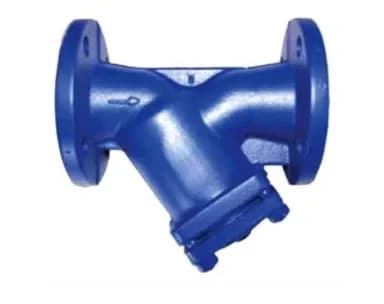
Hurain Engitech & Trade (Palanpur, Gujarat, India) is a strainers manufacturer, supplier and exporter serving Madang. Orders ship FCL or LCL to Madang in about 20–35 days, quoted FOB, CFR or CIF. Y-type, basket and T-type strainers for pipelines, pumps and meters.
Why Madang needs strainers
Nickel refinery and coconut region. Filters for engines, generators, compressors and hydraulics are replaced at every service interval.
Papua New Guinea is a resource economy with LNG, gold, copper and nickel mining, and large oil-palm plantations.
Marine, ports & fisheries in Madang
Ports, shipyards and fisheries in Madang use copper-nickel and stainless piping, marine pumps, seals and welding consumables that must resist seawater corrosion.
In Madang, shipyards and port operators buy strainers from us mainly for engines and generators and compressors.
Who buys strainers: Shipyards · Port operators · Fishing fleets · Offshore services
Mining & minerals in Madang
In Madang's mining belt, downtime on a single conveyor can stop a whole plant. Buyers here keep critical spares — belts, idlers, bearings, couplings and chains — and need an exporter that can replenish them quickly and to the original dimensions.
In Madang, open-pit and underground mines and mineral processing plants buy strainers from us mainly for hydraulic power packs and water treatment.
Who buys strainers: Open-pit and underground mines · Mineral processing plants · Quarries · Bulk ports
Typical uses: Engines and generators · Compressors · Hydraulic power packs · Water treatment · Chemical and food processing.
Delivery of strainers to Madang
- 1Export from Mundra or Kandla (Gujarat)Goods are inspected, export-packed and customs-cleared in India, usually within a day's drive of our Palanpur base.
- 2Sea freight to MadangIndicative transit 20–35 days (Oceania), FCL or LCL, on FOB, CFR or CIF terms.
- 3Clearance at MadangMadang is itself the port of discharge, so goods clear customs locally and reach your warehouse quickly.
Transit times are indicative; the confirmed schedule is set out in the quotation.
Local support for buyers in Madang
| Office hours | 14:00–23:30 Papua New Guinea time (09:30–19:00 IST), Monday to Saturday |
|---|---|
| +91 87809 43729 | |
| Phone | +91 87809 43729 |
| hurainengitechandtrade@gmail.com | |
| Languages | English, Hindi, Gujarati, Urdu (local language: Tok Pisin, Hiri Motu, English) |
| Quotation | USD (PGK equivalent on request), within 1–2 business days |
Importing strainers into Madang: local guide
Practical facts for buyers in Madang, Papua New Guinea — working days, time difference, customs system, trade-agreement duty and the seasons to plan around.
| Weekend | Saturday–Sunday (many trading firms also work Saturday mornings) |
|---|---|
| Our office hours in your time | 14:00–23:30 Papua New Guinea time (09:30–19:00 IST), Monday to Saturday |
| Country calling code | +675 (our WhatsApp: +91 87809 43729) |
| Business languages | Tok Pisin, Hiri Motu, English; we correspond in English |
| Currency | kina (PGK); quotations in USD |
| Trade agreement with India | No India-specific trade agreement; standard (MFN) duty applies |
| Plan orders around | the Christmas–New Year period, when many buyers and forwarders close |
Leading industries in Madang
- Marine, ports & fisheriesBuys strainers: Shipyards, Port operators, Fishing fleets
- Mining & mineralsBuys strainers: Open-pit and underground mines, Mineral processing plants, Quarries
- Edible oil milling & refiningAlso buys: Oilseed crushing mills, Solvent extraction plants, Edible oil refineries
Strainers specifications for Madang
Typical specification range for industrial filters & strainers; exact values are confirmed per order and matched to Papua New Guinea's import requirements.
| Filter types | Cartridge, bag, basket, spin-on, element |
|---|---|
| Media | Cellulose, glass fibre, polypropylene, SS mesh |
| Micron rating | 1 to 500 micron |
Standards: ISO 16889, ISO 2941, ISO 4548 or the standard your project specifies. Imports are relatively open; biosecurity rules apply to packaging.